

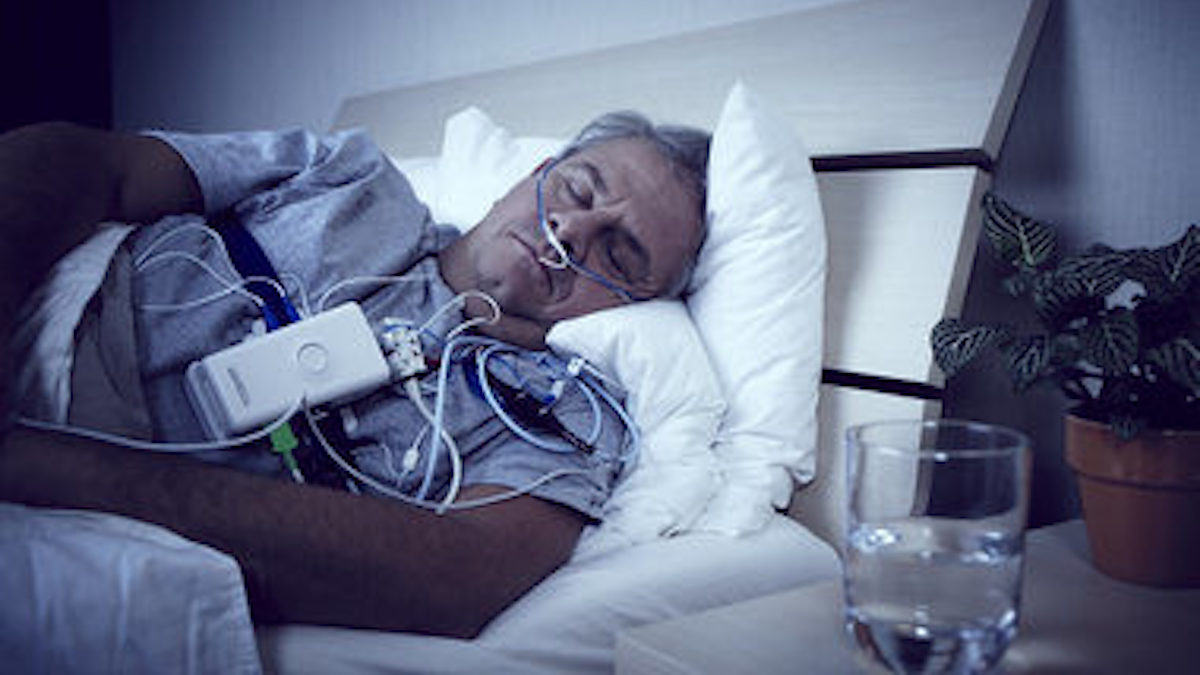
This guide explains what a home sleep study is, who it suits, how it works, and what to expect from results.
What is a home sleep study, and why do busy adults in Perth choose it?
A home sleep study Perth service offers a diagnostic test that measures breathing and oxygen levels overnight while someone sleeps at home. Many busy adults choose it because it removes the need to sleep in a lab, reduces disruption to work and family routines, and still provides strong screening for common sleep-breathing disorders.
For many people, the key benefit is convenience without sacrificing clinical direction. They can follow simple setup instructions, sleep in a familiar environment, and return the equipment the next day.
What symptoms suggest they might need a home sleep study?
A home sleep study is often considered when symptoms point to obstructive sleep apnoea or related breathing issues. People commonly seek testing when snoring, daytime fatigue, or unrefreshing sleep starts affecting work performance, mood, or safety.
Common signs include:
- Loud, frequent snoring
- Witnessed pauses in breathing or gasping during sleep
- Morning headaches or dry mouth
- Excessive daytime sleepiness and brain fog
- Poor concentration, irritability, or low mood
- High blood pressure or cardiometabolic risk factors
- Waking often to urinate
- Restless, fragmented sleep
If they feel sleepy while driving or struggle to stay awake in meetings, prompt assessment matters.
How does a home sleep study work in practice?
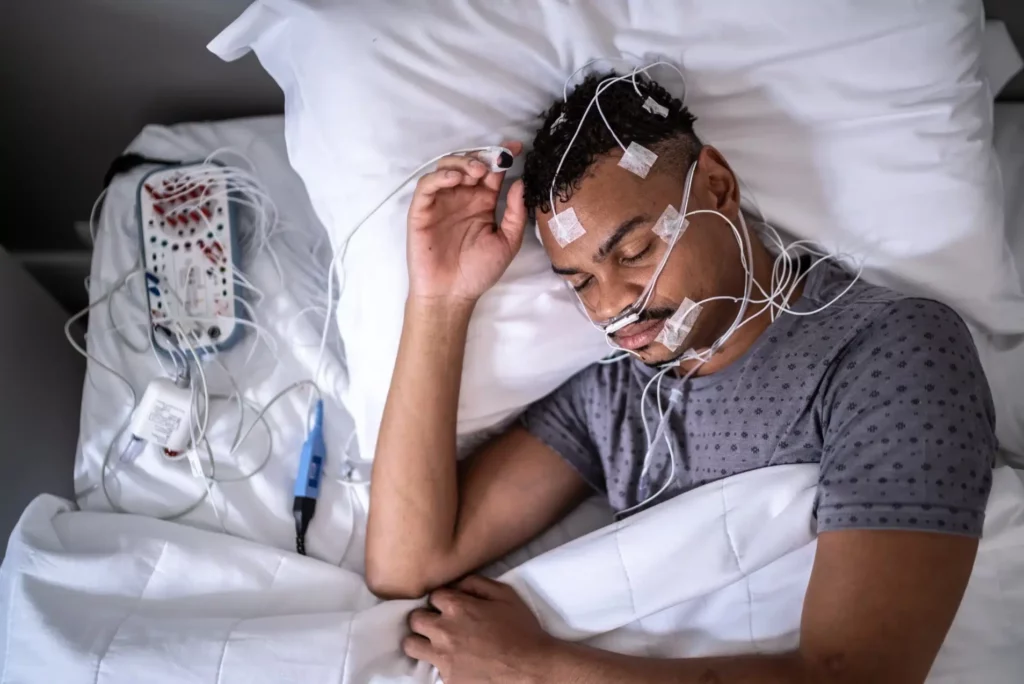
Most home sleep studies use a small portable monitor with a few sensors that track breathing patterns and oxygen saturation. They typically include a finger probe for oxygen levels, effort belts around the chest or abdomen, and a nasal cannula to measure airflow.
After setup, the person sleeps as normal. In the morning, they remove the sensors and return the device as instructed. The recorded data is then analysed, and a report is prepared for clinical interpretation and next steps.
What conditions can a home sleep study diagnose?
Home testing is primarily designed to detect sleep-disordered breathing, especially obstructive sleep apnoea (OSA). It can also help identify oxygen drops and breathing-related arousals that explain unrefreshing sleep and daytime fatigue.
In many cases, the home study answers the core question: is breathing repeatedly interrupted during sleep, and how severe is it? That severity can guide whether treatment like CPAP, oral appliances, or lifestyle changes are appropriate.
Who is a home sleep study best suited for?
Home studies are often best for adults with a moderate to high likelihood of obstructive sleep apnoea based on symptoms and risk factors. They can be especially suitable for people with demanding schedules who want a faster, more comfortable testing option.
It may suit people who:
- Have loud snoring with daytime sleepiness
- Prefer sleeping at home rather than in a lab
- Need quicker access to testing
- Want to avoid overnight travel and appointment complexity
A clinician can help decide if home testing is appropriate based on medical history.
When might an in-lab sleep study be a better choice?
Some cases benefit from the broader data collected in a sleep lab, especially when symptoms suggest more complex sleep disorders. In-lab testing can also be useful if a home study is inconclusive or if the person has health conditions that require closer monitoring.
A lab study may be recommended when they have:
- Suspected narcolepsy, parasomnias, or nocturnal seizures
- Significant heart or lung disease
- Neuromuscular conditions affecting breathing
- Unexplained severe insomnia
- A negative home study but persistent strong symptoms
The goal is not home versus lab as a competition, but choosing the right test for the clinical question.
What should they expect on the night of the test?
They should expect a normal bedtime with a few extra minutes for sensor setup. Most people find the equipment manageable, though the first night can feel slightly unfamiliar.
To improve data quality, they can:
- Follow the setup guide carefully
- Avoid alcohol close to bedtime unless advised otherwise
- Keep their usual sleep schedule if possible
- Ensure the finger probe and airflow sensor are secure
- Note unusual events such as waking often or removing sensors
Good setup usually leads to clearer results and fewer repeat tests.
How accurate is a home sleep study compared to a sleep lab?
Home sleep studies can be highly effective for diagnosing moderate to severe obstructive sleep apnoea in appropriate candidates. They do not typically record brain waves, so they estimate sleep time rather than measuring it precisely, which can affect how some indices are calculated.
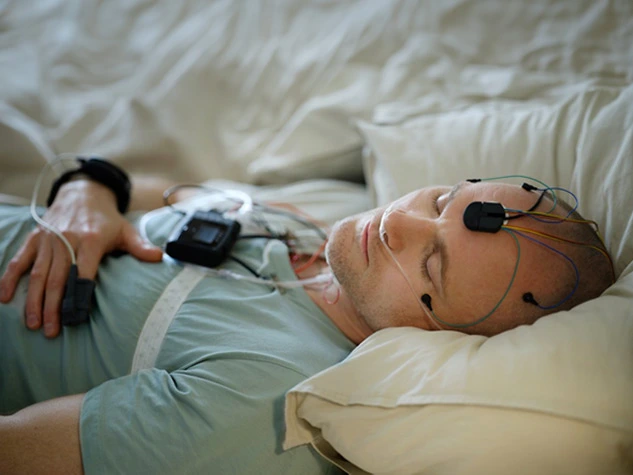
For many busy adults with classic OSA symptoms, a home sleep study Adelaide overview of testing and diagnosis provides enough data to make confident treatment decisions. If results do not match symptoms, clinicians may recommend additional testing to confirm the diagnosis.
How long does it take to get results and start treatment in Perth?
Timelines vary by provider, but home studies often move faster than lab studies because scheduling is simpler. Many services can arrange equipment pickup or delivery quickly, then issue a report after analysis.
Once results are reviewed, treatment may begin soon after. If OSA is diagnosed, they may discuss options such as CPAP therapy, mandibular advancement devices, weight management, sleep position strategies, and addressing nasal congestion.
How can they choose a home sleep study provider in Perth?
They should choose a provider that offers proper clinical oversight, clear instructions, and a straightforward pathway from testing to treatment. A good service does more than supply equipment; it supports interpretation and next steps.
Key things to look for:
- Clinician-led assessment and follow-up
- Transparent pricing and inclusions
- Clear guidance for setup and troubleshooting
- Prompt reporting and explanation of severity
- Access to treatment options if OSA is confirmed
They should also check whether a referral is needed and whether rebates apply, depending on their circumstances.
What is the main takeaway for busy adults considering a home sleep study?
A home sleep study in Perth can be a practical, clinically useful option for adults who suspect sleep apnoea but cannot easily fit a lab stay into their schedule. It lets them test in their own bed, reduce disruption, and move toward treatment faster when results confirm a breathing-related sleep disorder.
If symptoms are persistent or safety is a concern, they should seek clinical advice rather than waiting for the problem to resolve on its own.
FAQs (Frequently Asked Questions)
What is a home sleep study and why do busy adults in Perth prefer it?
A home sleep study is a diagnostic test that measures breathing and oxygen levels overnight while sleeping at home. Busy adults in Perth prefer it because it eliminates the need to sleep in a lab, reduces disruption to daily routines, and still provides effective screening for common sleep-breathing disorders in a convenient, familiar environment.
Who should consider undergoing a home sleep study?
Individuals experiencing symptoms such as loud snoring, witnessed breathing pauses during sleep, daytime fatigue, morning headaches, poor concentration, irritability, or high blood pressure may consider a home sleep study. It is especially suitable for those with moderate to high risk of obstructive sleep apnoea who prefer testing at home due to busy schedules.
How does a home sleep study work and what equipment is used?
A home sleep study uses a small portable monitor with sensors like a finger probe for oxygen levels, effort belts around the chest or abdomen, and a nasal cannula to measure airflow. The person sets up the equipment at bedtime, sleeps normally at home, then returns the device the next day for data analysis and clinical interpretation.
What conditions can be diagnosed through a home sleep study?
Home sleep studies primarily detect sleep-disordered breathing conditions such as obstructive sleep apnoea (OSA). They identify breathing interruptions and oxygen drops during sleep that cause unrefreshing rest and daytime fatigue, helping guide appropriate treatments like CPAP therapy or lifestyle changes.
When might an in-lab sleep study be recommended over a home test?
An in-lab sleep study may be advised when symptoms suggest complex disorders like narcolepsy or nocturnal seizures, if there are significant heart or lung diseases, neuromuscular conditions affecting breathing, unexplained severe insomnia, or if a home study yields inconclusive results despite persistent symptoms. Lab studies provide broader data and closer monitoring when necessary.
What should I expect on the night of my home sleep study test?
On the night of the test, expect to spend a few extra minutes setting up sensors following clear instructions. Most find the equipment manageable though slightly unfamiliar initially. To ensure quality data, avoid alcohol near bedtime unless advised otherwise, maintain usual sleep schedules if possible, secure all sensors properly, and note any unusual events like waking frequently or sensor removal.