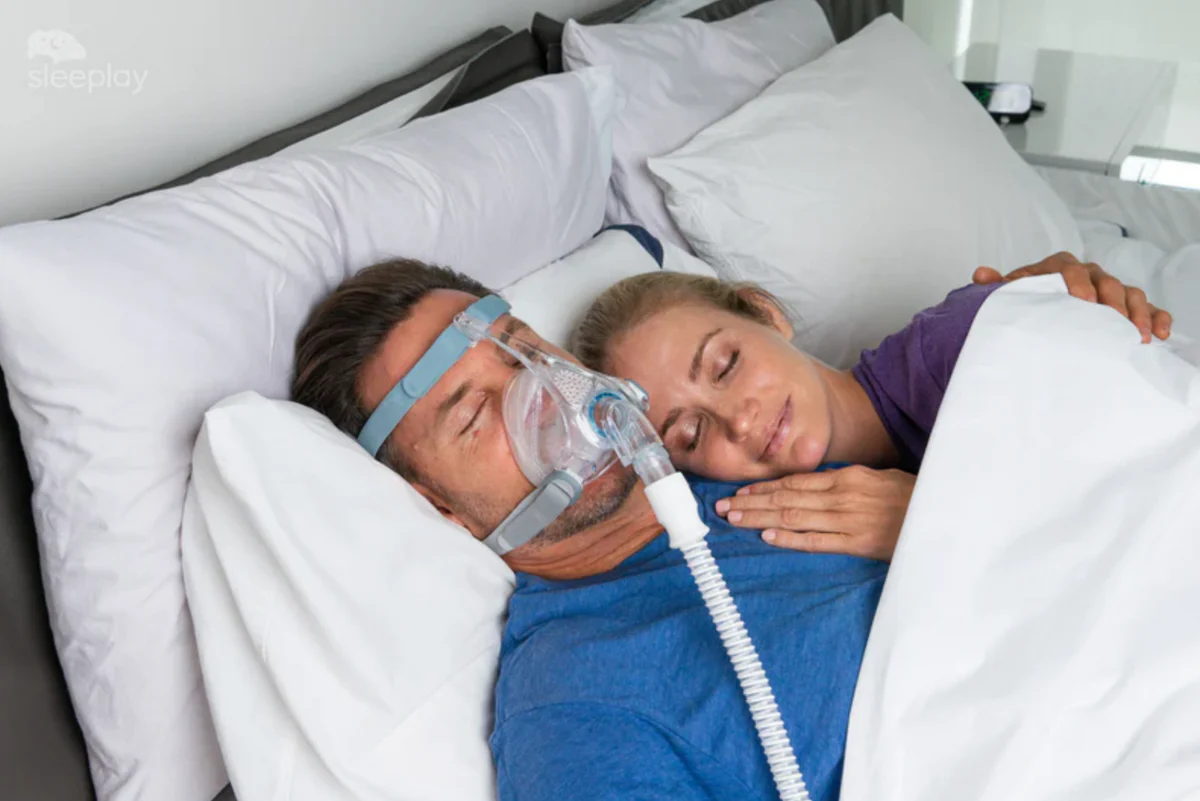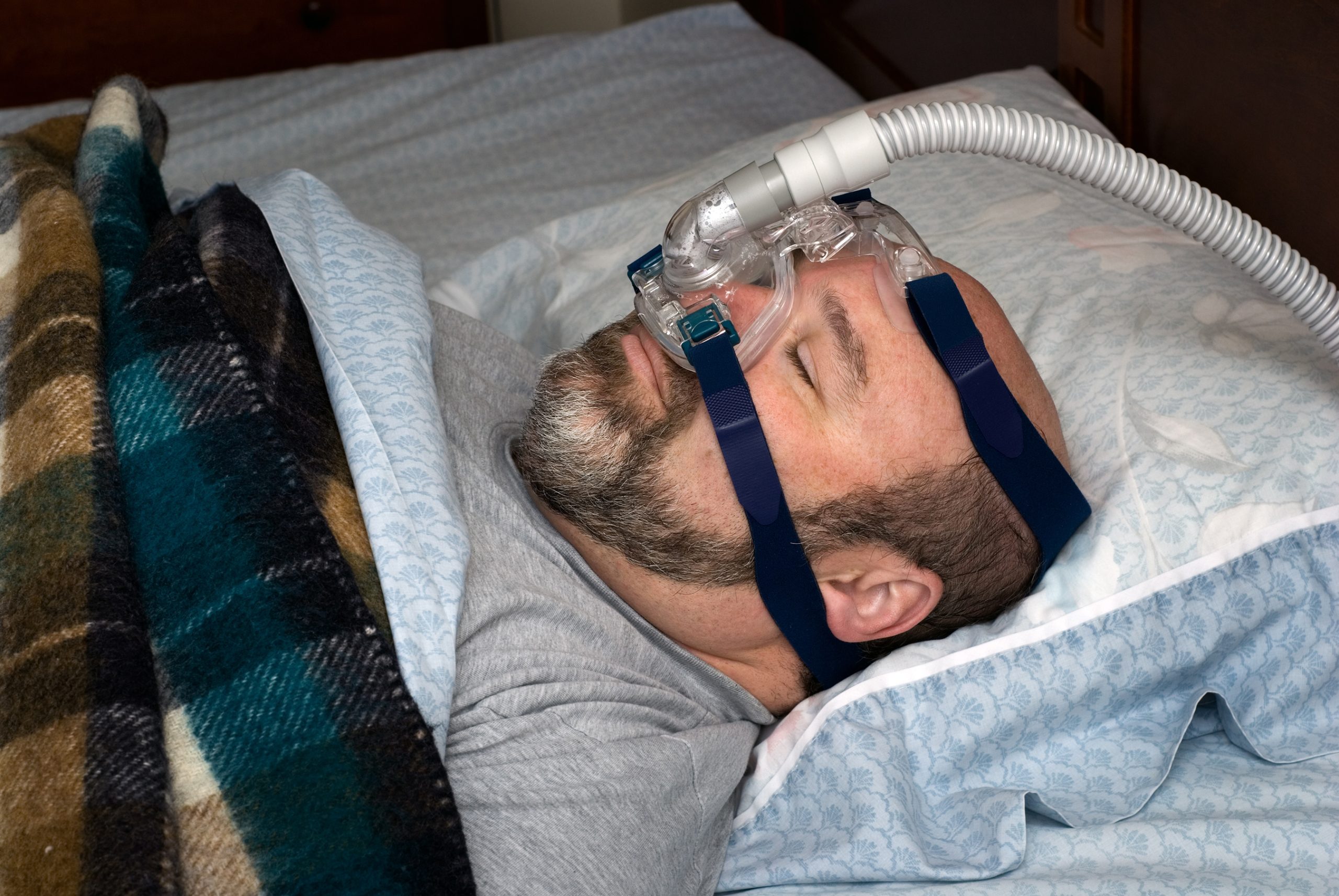
Chronic Fatigue Syndrome (CFS) is a condition that causes persistent, unexplained fatigue that doesn’t improve with rest and can worsen with physical or mental activity. Along with exhaustion, individuals with CFS often experience disrupted sleep, brain fog, muscle pain, and difficulty concentrating. One treatment that has shown promise in improving the quality of life for people with CFS is CPAP (Continuous Positive Airway Pressure) therapy. Although CPAP machines are primarily known for their role in treating sleep apnea, they can also provide relief for chronic fatigue by enhancing sleep quality, reducing symptoms, and improving overall well-being. This article explores the connection between CPAP therapy and Chronic Fatigue Syndrome, detailing how CPAP machines work and how they can help manage the symptoms of CFS.
Introduction
CPAP machines are widely used to treat sleep apnea, a sleep disorder in which breathing repeatedly stops and starts during sleep. The CPAP machine works by delivering a continuous flow of air into the airways, keeping them open and preventing interruptions in breathing. By maintaining steady airflow, CPAP therapy helps people with sleep apnea achieve uninterrupted, high-quality sleep.
For individuals with Chronic Fatigue Syndrome, poor sleep quality is a common issue. Those with CFS may experience sleep disturbances, including frequent awakenings and an inability to get restorative sleep. CPAP therapy can help by addressing underlying sleep issues, leading to better rest and a reduction in the exhaustion that typically accompanies CFS. As a result, CPAP therapy may improve the energy levels and daily functioning of individuals living with CFS.
See more: CPAP Machine Australia: How to Get the Best Value for Money
What is Sleep Apnea and How CPAP Machines Help
Sleep apnea is a disorder characterized by interruptions in breathing during sleep. These breathing pauses, called apneas, can last from a few seconds to minutes and can occur multiple times throughout the night. There are three main types of sleep apnea:
- Obstructive Sleep Apnea (OSA): The most common form, caused by a relaxation of the throat muscles that leads to airway obstruction during sleep.
- Central Sleep Apnea: Occurs when the brain fails to send proper signals to the muscles that control breathing.
- Complex Sleep Apnea: A combination of both obstructive and central sleep apnea.
While sleep apnea and Chronic Fatigue Syndrome are distinct conditions, they share certain symptoms, such as sleep disturbances and persistent fatigue. In individuals with sleep apnea, the interruption of breathing leads to poor-quality sleep, which in turn can contribute to chronic tiredness and other health issues. CPAP therapy directly addresses sleep apnea symptoms by providing continuous airflow to keep the airway open, preventing these interruptions and allowing for restful sleep.
By improving sleep quality, CPAP therapy can help people with CFS experience less fatigue during the day, reduce other symptoms such as brain fog, and enhance their overall health.
Types of CPAP Machines
CPAP machines come in various models, each offering different features to cater to the specific needs of individuals. The three most common types of CPAP machines include:
- Standard CPAP (Continuous Positive Airway Pressure):
- How it Works: Delivers a continuous, fixed amount of air pressure to keep the airway open during sleep.
- Benefits: Simple, effective, and affordable. Ideal for those with mild to moderate sleep apnea.
- Limitations: Fixed pressure may not adapt to fluctuations in breathing patterns during sleep.
- Auto-CPAP (Auto Adjusting CPAP):
- How it Works: Adjusts the air pressure automatically based on changes in breathing patterns throughout the night.
- Benefits: Provides more personalized therapy, adjusting pressure to your needs.
- Limitations: More expensive than standard CPAP machines.
- BiPAP (Bilevel Positive Airway Pressure):
- How it Works: Provides two levels of pressure—higher pressure for inhalation and a lower pressure for exhalation.
- Benefits: Ideal for individuals who have difficulty exhaling against the higher pressure provided by standard CPAP machines.
- Limitations: More complex and typically more expensive than standard CPAP devices.
How to Choose the Right CPAP Machine
Choosing the right CPAP machine is essential to ensure comfort, effective treatment, and optimal sleep quality. Here are a few factors to consider:
- Comfort: Look for features like adjustable pressure settings, ramp functions (to gradually increase pressure), and different mask options.
- Noise Level: CPAP machines can be noisy, which may interfere with sleep. If you are sensitive to noise, consider machines designed for quieter operation.
- Portability: For frequent travelers, a compact, lightweight machine is essential. Many CPAP machines come with travel cases for easy packing.
- Price: Standard CPAP machines are generally more affordable, while Auto-CPAP and BiPAP machines tend to be more expensive due to their advanced features.
Consult with your doctor to determine which CPAP machine is best suited to your needs.
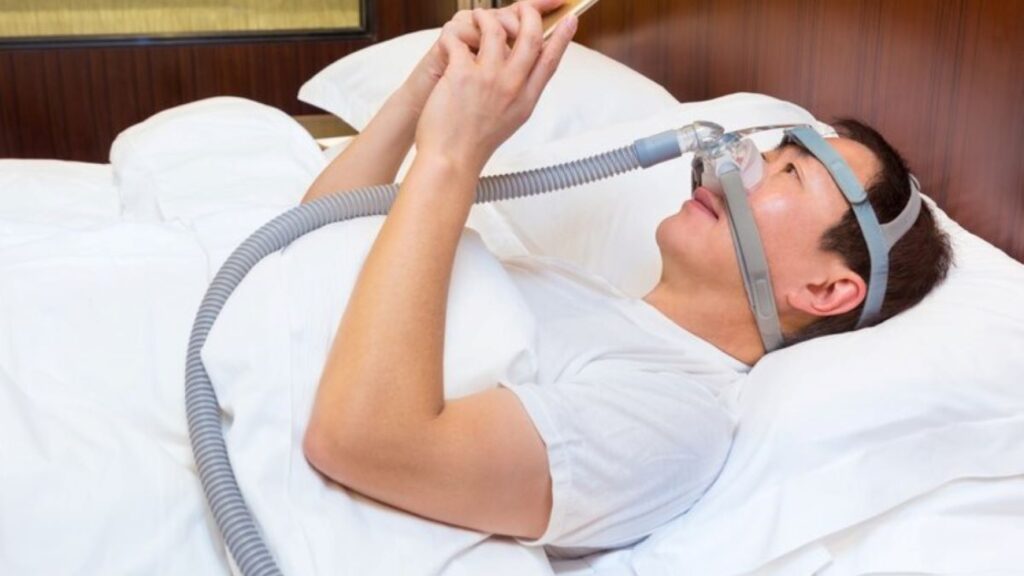
CPAP Machine Setup and Usage
Proper setup and consistent use of your CPAP machine are critical for the best results. Here’s how to set up your CPAP machine:
- Unbox and Assemble: Connect the CPAP machine to the power source and attach the tubing to both the machine and the mask. If your machine has a humidifier, fill the chamber with distilled water.
- Adjust Settings: For standard CPAP machines, your doctor will set the prescribed air pressure. Auto-CPAP machines adjust the pressure automatically based on your breathing needs.
- Fit the Mask: Choose a mask that fits comfortably and securely to prevent air leaks. There are nasal masks, full-face masks, and nasal pillow masks, depending on your preference.
- Start Using the Machine: Turn on the machine and begin using it every night. Consistency is key for maximum benefits.
Troubleshooting Tips:
- Air Leaks: Ensure that the mask fits snugly. Adjust the straps or switch to a different mask style if needed.
- Dry Mouth: A heated humidifier can help with dryness, or consider switching to a full-face mask if you breathe through your mouth.
- Noisy Machine: Place the CPAP machine on a stable surface to minimize noise.
CPAP Machine Accessories and Maintenance
To get the best performance from your CPAP machine, you’ll need to regularly clean and maintain essential accessories:
- Masks: Clean your mask daily with warm, soapy water to remove bacteria and debris. Replace the mask every 6 to 12 months.
- Tubing: Clean the tubing weekly with mild soap and warm water to prevent mold and bacteria growth. Replace the tubing every 6 to 12 months.
- Filters: Replace the air filter once a month to ensure clean airflow.
- Humidifiers: Clean the water chamber regularly to prevent mold and bacteria growth.
Regular maintenance will help prolong the life of your CPAP machine and ensure that you continue to receive effective therapy.
Benefits of Using a CPAP Machine
CPAP therapy provides numerous benefits for people with sleep apnea and chronic fatigue syndrome:
- Improved Sleep Quality: By preventing sleep apnea events, CPAP therapy promotes deeper, more restorative sleep.
- Reduced Risk of Heart Disease: Sleep apnea is linked to an increased risk of heart disease, stroke, and high blood pressure. CPAP therapy helps mitigate these risks.
- Increased Energy Levels: Better sleep quality leads to increased energy and reduced daytime fatigue, which is especially beneficial for individuals with CFS.
- Improved Cognitive Function: Consistent use of CPAP therapy can enhance memory, focus, and decision-making abilities, all of which are often affected by sleep deprivation.
Common CPAP Machine Problems and How to Solve Them
Here are some common issues with CPAP machines and how to resolve them:
- Air Leaks: Ensure the mask is properly sealed. Tighten the straps or try a different mask for a better fit.
- Dry Mouth: A heated humidifier can help alleviate dryness, or consider using a full-face mask to prevent mouth breathing.
- Discomfort: Experiment with different mask types and try using cushion pads to improve comfort.
Cost of CPAP Machines and Insurance Coverage
The cost of CPAP machines varies depending on the type and features:
- Standard CPAP Machines: Typically cost between $200 and $800.
- Auto-CPAP Machines: Usually range from $500 to $1,500.
- BiPAP Machines: Can cost upwards of $1,000.
Insurance Coverage: Most insurance plans cover CPAP machines when prescribed by a healthcare provider. Be sure to check with your insurance company to understand your coverage options and any out-of-pocket costs.
Conclusion
CPAP therapy is an essential treatment for managing sleep apnea and can provide significant benefits for individuals with Chronic Fatigue Syndrome (CFS) by improving sleep quality and reducing daytime fatigue. By selecting the right CPAP machine, maintaining it regularly, and using it consistently, you can improve both your sleep and overall health. If you have CFS or suspect you may have sleep apnea, it’s important to consult with your healthcare provider to determine if CPAP therapy is right for you. Quality sleep is the foundation of a healthy life, and CPAP therapy can help you achieve it.
5