Waking up feeling exhausted even after what seems like a full night’s sleep is a frustrating experience many people share. If this sounds familiar, you might be dealing with a common but often overlooked condition known as sleep apnea. This sleep disorder disrupts your breathing throughout the night, preventing your body from getting the deep rest it needs.
In this article, we’ll break down what sleep apnea is, explore why it leaves you feeling tired, and discuss the available treatments to help you reclaim restful sleep and better health.
What Is Sleep Apnea?
Sleep apnea is a sleep disorder that causes breathing interruptions during sleep. These pauses can last from a few seconds to a minute and occur multiple times throughout the night. Each interruption forces the body to briefly wake up to resume normal breathing, often without the person realizing it.
See more: Finding the Best CPAP Mask for Comfortable Sleep
Types of Sleep Apnea
- Obstructive Sleep Apnea (OSA) – The most common type, caused by the relaxation of throat muscles blocking the airway.
- Central Sleep Apnea (CSA) – Occurs when the brain fails to send the right signals to the muscles that control breathing.
- Complex Sleep Apnea – A combination of both OSA and CSA, requiring more specialized treatment.
Why You’re Still Tired After a Full Night’s Sleep
Feeling tired after sleeping is one of the hallmark signs of sleep apnea. Even if you spend 7–8 hours in bed, your body doesn’t go through the proper sleep stages because breathing interruptions prevent deep, restorative rest.
Interrupted Sleep Cycles
Each time your breathing stops, your brain wakes up just enough to restart it. These micro-awakenings pull you out of deep sleep (REM and non-REM stages), leading to fragmented rest.
Reduced Oxygen Levels
When airflow is blocked, oxygen levels in your blood drop. Your heart and lungs work harder, increasing stress on your cardiovascular system and leading to morning fatigue and brain fog.
Hormonal Imbalance
Poor-quality sleep interferes with the production of hormones that regulate energy, mood, and metabolism. Over time, this imbalance can lead to daytime sleepiness, irritability, and even weight gain.
Common Symptoms of Sleep Apnea
Recognizing the signs of sleep apnea early is crucial for effective treatment. Here are some of the most common symptoms to watch for:
- Loud, chronic snoring
- Gasping or choking during sleep
- Frequent nighttime awakenings
- Morning headaches or dry mouth
- Difficulty concentrating during the day
- Excessive daytime sleepiness
- Irritability or mood swings
If you or your partner notice these symptoms, it’s time to consider a sleep study or consultation with a healthcare professional.
Causes of Sleep Apnea
Several factors can contribute to sleep apnea, including:
- Excess weight – Fat deposits around the upper airway can obstruct breathing.
- Age and gender – Middle-aged men are more likely to develop sleep apnea.
- Anatomical features – Enlarged tonsils, narrow airways, or nasal congestion.
- Lifestyle habits – Smoking, alcohol use, and sedative medications can relax throat muscles.
- Family history – Genetics can play a role in developing the condition.
Understanding these causes helps individuals take proactive steps toward better sleep health.
How Sleep Apnea Affects Overall Health
Left untreated, sleep apnea can impact far more than just your energy levels. Chronic sleep deprivation affects nearly every system in the body, leading to long-term health consequences such as:
- High blood pressure and heart disease
- Type 2 diabetes
- Stroke and irregular heartbeat (arrhythmia)
- Depression and anxiety
- Weakened immune system
Proper diagnosis and treatment are essential to prevent these complications and improve quality of life.
Diagnosis: The Role of Sleep Studies
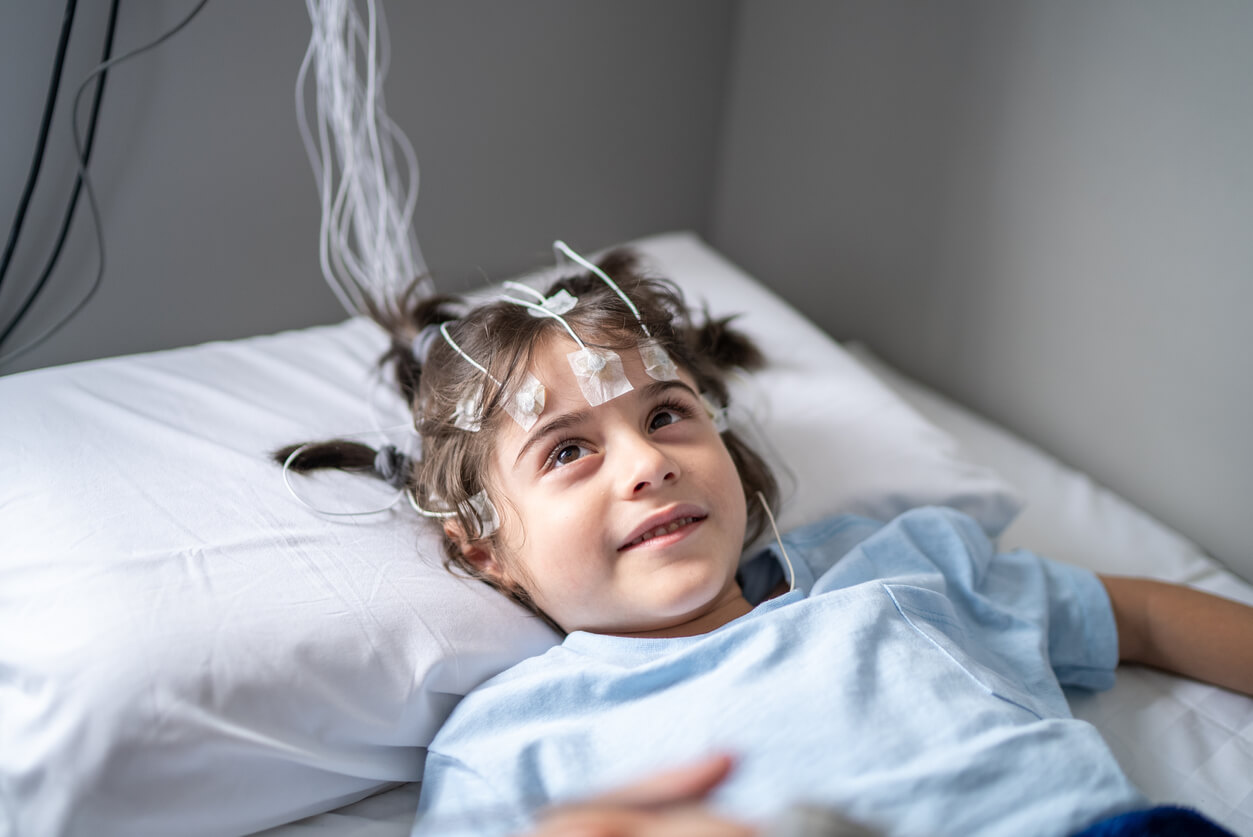
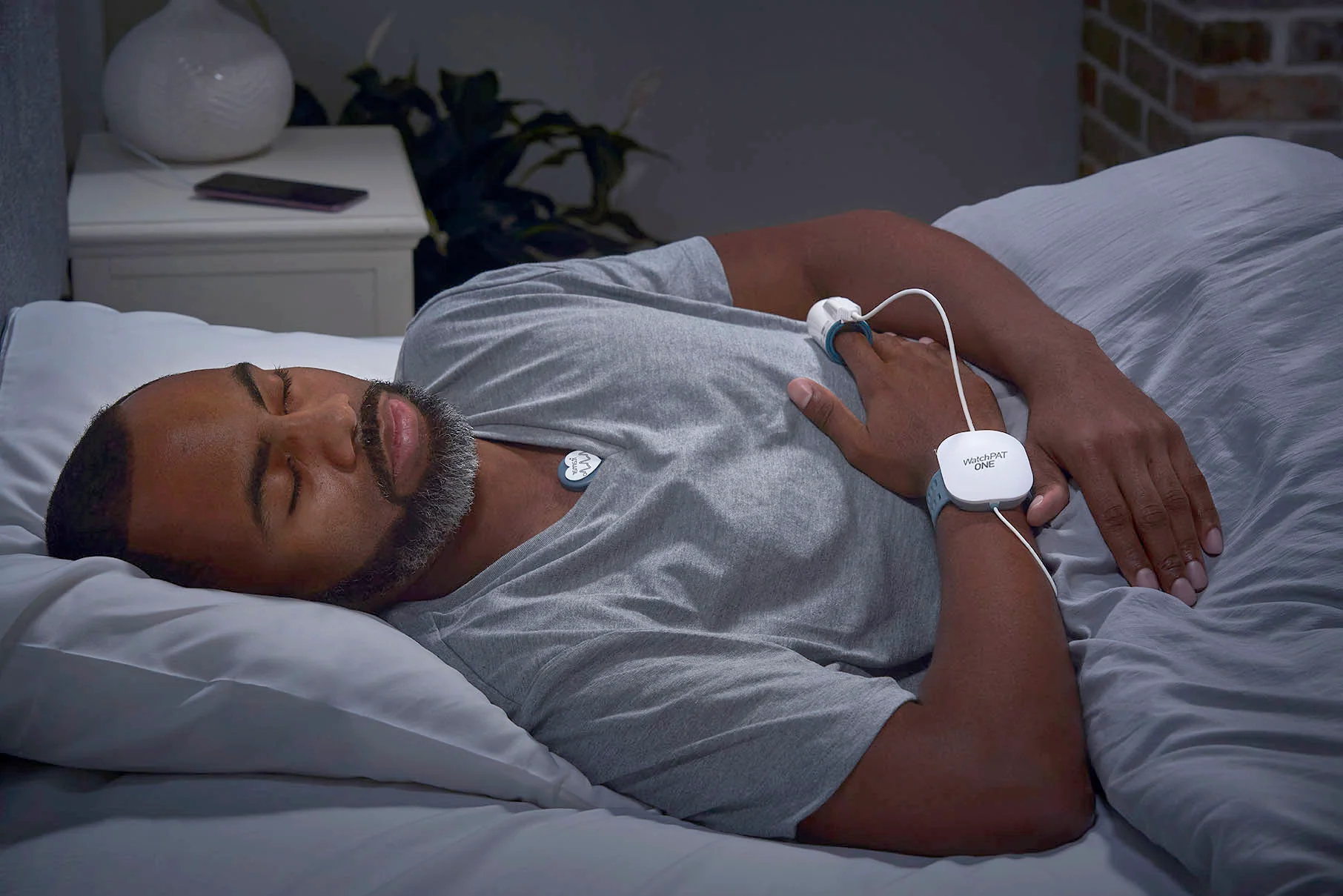
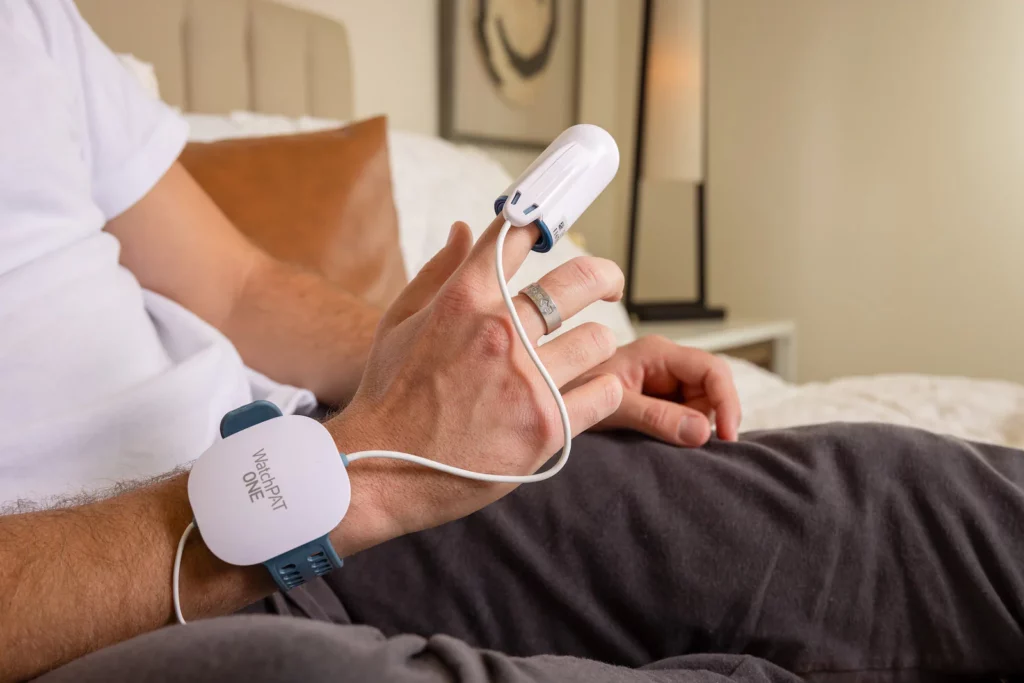
A sleep study, or polysomnography, is the most accurate way to diagnose sleep apnea. During this test, your breathing patterns, oxygen levels, and brain activity are monitored overnight in a sleep lab or using a home testing kit. The results help doctors determine the type and severity of your sleep disorder.
Treatment Options for Sleep Apnea
Fortunately, sleep apnea is highly treatable. The right approach depends on the severity of your condition and its underlying causes.
1. CPAP Therapy
Continuous Positive Airway Pressure (CPAP) is the gold standard for treating sleep apnea. It involves wearing a mask that delivers a steady flow of air to keep your airway open during sleep. Although it may take time to adjust, CPAP therapy can dramatically improve sleep quality and energy levels.
2. Lifestyle Changes
Simple adjustments can make a big difference:
- Maintain a healthy weight
- Avoid alcohol and sedatives before bedtime
- Sleep on your side instead of your back
- Maintain a consistent sleep schedule
- Quit smoking
3. Dental Devices
For mild cases, a mandibular advancement device (MAD) can reposition the jaw and tongue to prevent airway obstruction.
4. Surgical Treatments
When other treatments fail, surgical options such as uvulopalatopharyngoplasty (UPPP) or inspire therapy (nerve stimulation) can help correct airway structure.
How to Improve Sleep Quality and Energy
Even if you’re being treated for sleep apnea, adopting healthy sleep habits enhances recovery:
- Create a calm, dark sleeping environment
- Limit caffeine and heavy meals before bed
- Get regular exercise
- Manage stress through meditation or breathing exercises
Conclusion: Take Action for Restful Sleep
Sleep apnea doesn’t just make you tired—it affects your heart, brain, and overall health. If you’re constantly exhausted despite a full night’s rest, don’t ignore the signs. Schedule a sleep study or talk to a sleep specialist to get the diagnosis and treatment you need. Better sleep means better health—and a better you.
FAQS
Sleep apnea often develops due to excess weight, anatomical issues like a narrow airway, or lifestyle factors such as smoking and alcohol use. Age and genetics can also increase the risk. Identifying the root cause helps determine the most effective treatment approach for long-term relief.
Common symptoms include loud snoring, pauses in breathing during sleep, morning headaches, and daytime fatigue. Since you might not notice these signs yourself, ask a partner or family member if they’ve observed them, and consider getting a professional sleep study for confirmation.
Yes. Untreated sleep apnea can lead to serious health issues, including high blood pressure, heart disease, stroke, and type 2 diabetes. It can also cause chronic fatigue and impaired concentration, increasing the risk of accidents and lowering your quality of life.
Absolutely. Weight management, quitting smoking, reducing alcohol intake, and improving sleep posture can significantly reduce sleep apnea symptoms. While lifestyle changes may not replace medical treatment, they often enhance the effectiveness of therapies like CPAP or oral devices.