


Sleep disorders affect millions of Australians, silently impacting their health, productivity, and quality of life. The subtle signs of sleep-related conditions can manifest gradually, making early detection crucial for effective treatment and prevention of serious health complications.
Melbourne’s advanced sleep testing facilities offer comprehensive diagnostic services designed to identify sleep disorders at their earliest stages. These specialised centres combine cutting-edge technology with expert medical professionals to provide accurate diagnoses and personalised treatment plans.
The ability to recognise early warning signs of sleep disorders can make a significant difference in treatment outcomes. Through Melbourne’s extensive network of sleep testing providers, including Air Liquide Healthcare and affiliated sleep brands, patients gain access to:
- Home-based sleep studies with non-invasive monitoring
- Medicare-covered diagnostic tests
- Expert validation from qualified Sleep Physicians
- Tailored CPAP therapy solutions
- Ongoing support and management programs
Understanding these early signs and seeking professional help promptly can prevent the progression of sleep disorders and their associated health risks.

Understanding Sleep Apnea and Its Impact
Obstructive sleep apnea occurs when the muscles in the throat relax excessively during sleep, causing a physical blockage of the upper airway. This blockage creates brief interruptions in breathing – lasting from a few seconds to minutes – which can happen multiple times per hour throughout the night.
Melbourne sleep testing services provide accessible, evidence-based pathways for diagnosis and treatment. Through advanced home-based studies and expert medical guidance, individuals experiencing sleep-related concerns can access the support needed to restore healthy sleep patterns.
The Immediate Effects of Breathing Interruptions
The immediate effects of these breathing interruptions include:
- Sudden drops in blood oxygen levels
- Increased heart rate and blood pressure
- Disrupted sleep patterns
- Reduced quality of deep sleep
The Health Consequences of Untreated Sleep Apnea
Untreated sleep apnea leads to significant health consequences:
- Cardiovascular Issues: High blood pressure, heart disease, stroke risk
- Mental Health Impact: Depression, anxiety, memory problems
- Daily Function: Severe daytime fatigue, microsleeps, cognitive decline
- Work Safety: Increased risk of workplace accidents
- Metabolic Effects: Weight gain, diabetes risk
The Prevalence and Risk Factors of Sleep Apnea
Recent studies indicate sleep apnea affects approximately 25% of men aged 30-60 in Australia. The prevalence increases with age, reaching up to 49% in men over 70. Risk factors include obesity, family history, smoking, and alcohol consumption.
Understanding Sleep Apnea Severity
Sleep apnea severity ranges from mild to severe, measured by the number of breathing interruptions per hour:
- Mild: 5-15 events per hour
- Moderate: 15-30 events per hour
- Severe: More than 30 events per hour
Seeking Professional Help for Sleep Apnea
If you suspect that you or a loved one may be suffering from this condition, seeking professional help is crucial. Various sleep studies are available across Australia to accurately diagnose and assess the severity of sleep apnea. Whether in Perth, Brisbane or Melbourne, reputable services like Sleep Solutions Australia offer comprehensive solutions for those affected by this serious condition.
Early Signs of Sleep Disorders You Shouldn’t Ignore
Sleep disorders have specific warning signs that need immediate attention. By recognising these signs, you can intervene early and prevent potential health problems.
Key Physical Symptoms:
- Loud, persistent snoring that disrupts bed partners
- Witnessed pauses in breathing during sleep
- Gasping or choking episodes while sleeping
- Excessive daytime sleepiness, regardless of sleep duration
- Waking up with a dry mouth or sore throat
Cognitive and Emotional Indicators:
- Morning headaches that persist throughout the day
- Difficulty maintaining focus during routine tasks
- Increased irritability and mood swings
- Memory lapses or confusion
- Poor job or academic performance
Sleep-Related Red Flags:
- Restless sleep patterns with frequent tossing and turning
- Night-time sweating
- Multiple trips to the bathroom
- Insomnia or difficulty staying asleep
- Waking up feeling unrefreshed despite adequate sleep time
Early recognition of these symptoms enables prompt medical intervention. Sleep disorders can progressively worsen when left untreated, leading to serious health complications. The presence of multiple symptoms indicates the need for professional sleep testing and assessment. You might consider undergoing a sleep study in Sydney, Hobart, Adelaide, or Canberra to get a comprehensive evaluation.
Sleep specialists recommend maintaining a symptom diary to track the frequency and severity of these signs. This documentation helps healthcare providers establish accurate diagnoses and develop targeted treatment strategies.
Melbourne Sleep Testing Services: What to Expect
Sleep testing in Melbourne has evolved to prioritise patient comfort and convenience through advanced home-based sleep studies. Air Liquide Healthcare, Australia’s largest facilitator of home sleep testing, offers comprehensive diagnostic services that allow patients to undergo assessment in their natural sleep environment. Read more about diagnostic on https://pmc.ncbi.nlm.nih.gov/articles/PMC1390793/
The Home Testing Process
The home testing process involves:
- Initial Equipment Setup: Patients receive a portable diagnostic device with clear instructions for use
- Overnight Recording: The device monitors vital sleep parameters including:
- Breathing patterns
- Heart rate
- Blood oxygen levels
- Body position
- Snoring intensity
- Data Collection: The device records sleep data for 1-2 nights
How Does Home Sleep Testing Work?
The non-invasive recording system uses small sensors attached to specific body points. A small monitor clips to night clothes, while a nasal cannula measures airflow. These devices transmit data automatically to sleep specialists for analysis.
What Can You Expect from Your Sleep Test Results?
Test results provide detailed insights into:
- Sleep architecture patterns
- Breathing disruptions
- Oxygen saturation levels
- Sleep position effects
- Heart rate variations
Based on these findings, sleep specialists develop personalised treatment strategies. For patients diagnosed with sleep apnea, CPAP therapy programmes are tailored to individual needs through careful titration processes. This customised approach ensures optimal pressure settings and maximum therapeutic benefit.
Is Sleep Testing Covered by Medicare?
Medicare covers diagnostic tests meeting specific guidelines, making professional sleep testing accessible to eligible patients across Melbourne.
Patient Pathway for Sleep Apnea Diagnosis and Treatment in Melbourne
The patient pathway for sleep apnea diagnosis and treatment in Melbourne follows a structured, evidence-based approach designed to deliver optimal health outcomes. To read more about treatment click here.
1. Initial Assessment
- Comprehensive medical history review
- Physical examination focusing on airways and breathing patterns
- Discussion of symptoms and sleep patterns
- Risk factor evaluation
2. Diagnostic Process
- Referral to accredited sleep testing facility
- Home-based or laboratory sleep study arrangement
- Data collection and analysis by sleep technicians
- Expert interpretation by qualified Sleep Physicians
3. Treatment Implementation
- Personalised treatment plan development
- Equipment selection and fitting (if CPAP therapy prescribed)
- Patient education and practical guidance
- Initial adjustment period support
4. Ongoing Management
- Regular progress monitoring
- Equipment maintenance checks
- Treatment effectiveness assessment
- Therapy adjustments based on patient response
Melbourne’s integrated approach combines diagnostic expertise with ongoing care management. Sleep specialists work collaboratively with patients to ensure treatment adherence and positive health outcomes. The pathway incorporates regular review points to assess progress and make necessary adjustments to treatment protocols.
This systematic approach allows for early identification of potential complications and swift intervention when needed. Patient education remains central throughout the process, empowering individuals to take an active role in their treatment journey.
Treatment Options Following Sleep Testing
CPAP Therapy
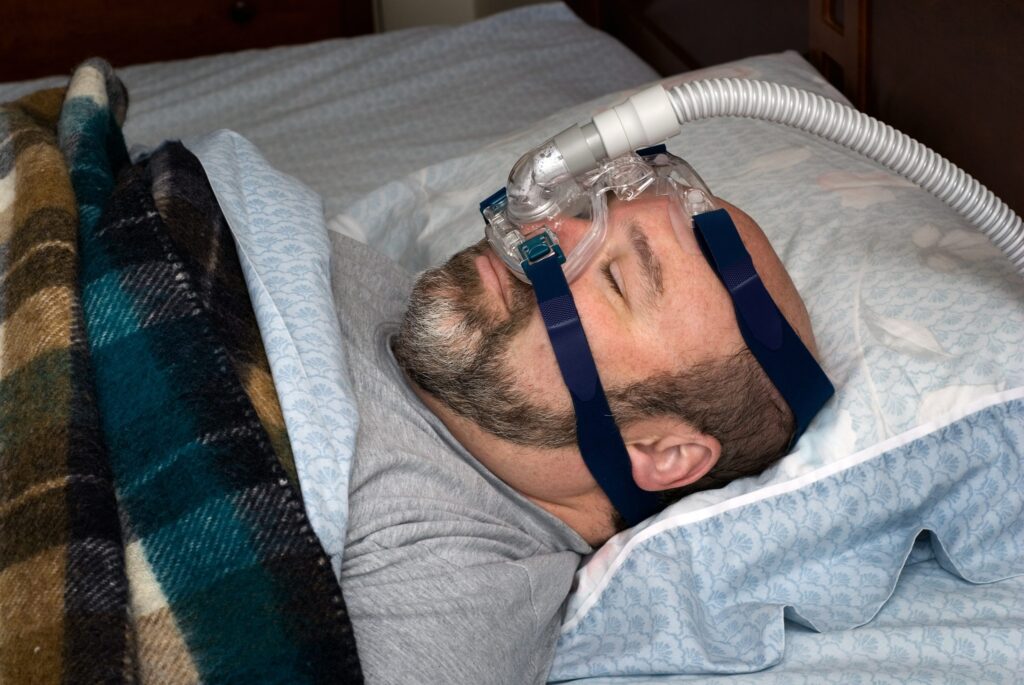
CPAP therapy is the gold standard treatment for sleep apnea in Melbourne. This non-invasive treatment delivers a continuous stream of pressurised air through a mask, keeping airways open during sleep. Air Liquide Healthcare partners with leading CPAP equipment manufacturers to provide patients access to state-of-the-art devices and masks suited to individual needs.
Benefits of CPAP Therapy:
- Immediate reduction in sleep apnea episodes
- Enhanced sleep quality and daytime alertness
- Decreased risk of cardiovascular complications
- Improved blood pressure control
- Better cognitive function and mood stability
Lifestyle Modifications
Complementary lifestyle changes play a vital role in managing sleep apnea symptoms:
Weight Management
- A 10% reduction in body weight can decrease apnea severity by 30%
- Regular exercise helps maintain healthy weight and improves sleep quality
Dietary and Behavioural Adjustments
- Limiting alcohol consumption, particularly before bedtime
- Avoiding sedatives and sleeping tablets
- Maintaining regular sleep schedules
- Side-sleeping position to reduce airway obstruction
Environmental Modifications
- Elevating the head of the bed
- Using allergen-free bedding
- Maintaining optimal bedroom temperature and humidity
These treatment approaches work together – CPAP therapy provides immediate relief while lifestyle modifications support long-term management of sleep apnea symptoms.
Importance of Early Recognition and Regular Monitoring
Untreated sleep disorders create significant health risks that extend beyond daily fatigue. Research indicates that delayed diagnosis of sleep apnea increases the likelihood of:
- Cardiovascular complications
- Type 2 diabetes development
- Heightened blood pressure
- Depression and anxiety
- Increased risk of workplace accidents
- Motor vehicle incidents
Regular monitoring through scheduled check-ups plays a vital role in managing sleep disorders effectively. These appointments allow healthcare professionals to:
- Track treatment progress
- Assess CPAP machine data
- Identify potential complications
- Adjust pressure settings
- Update equipment when necessary
- Monitor symptom changes
Sleep specialists recommend check-ups every 3-6 months during the first year of treatment, with annual reviews thereafter. These sessions help maintain optimal therapy outcomes through:
- Analysis of usage patterns
- Equipment maintenance checks
- Mask fit assessments
- Updates to treatment protocols
Melbourne sleep testing facilities provide comprehensive monitoring services, ensuring patients receive appropriate care adjustments as their condition evolves. The combination of early recognition and consistent monitoring creates the foundation for successful long-term management of sleep disorders.
Conclusion
Sleep disorders can significantly impact daily life, health and well-being. The presence of persistent symptoms such as loud snoring, daytime fatigue, or interrupted breathing during sleep signals the need for professional assessment.
Taking action at the first sign of sleep issues creates opportunities for:
- Early intervention and targeted treatment
- Prevention of serious health complications
- Improved quality of life and daily function
- Expert guidance from qualified sleep specialists
Don’t let sleep disorders compromise health and well-being. Contact a healthcare professional to discuss concerns and explore Melbourne’s sleep testing options. Professional assessment and early diagnosis remain vital steps toward achieving restful, rejuvenating sleep.