

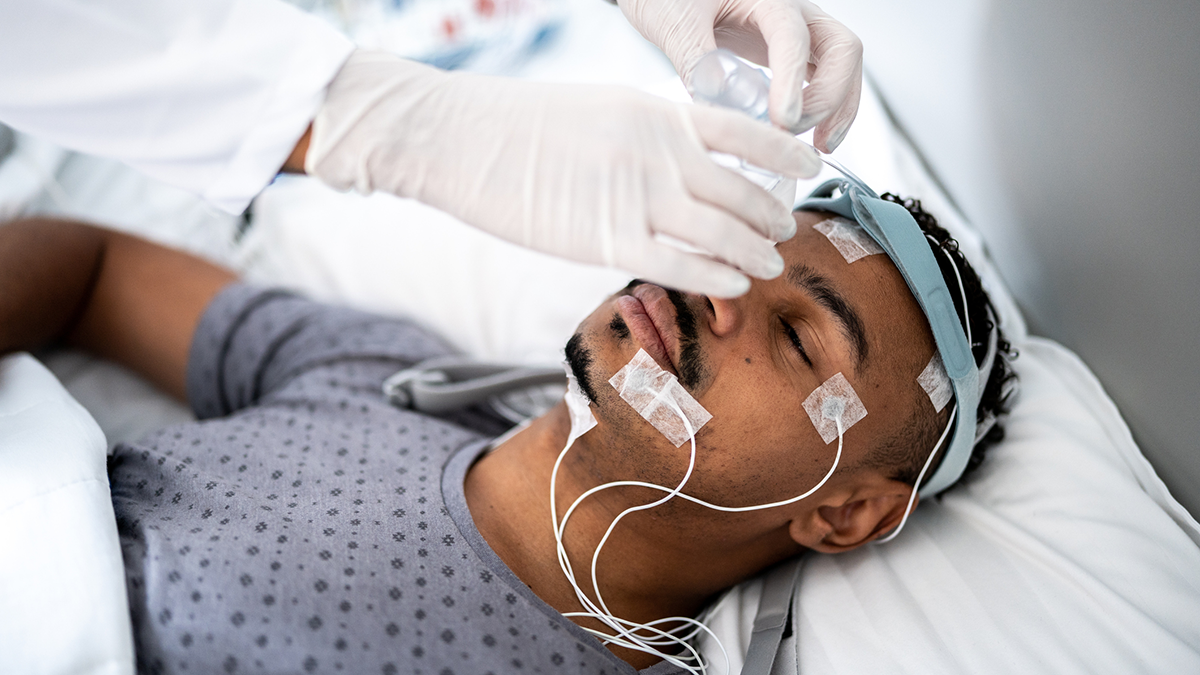
Sleep studies, also known as polysomnography, are essential for diagnosing various sleep disorders, including sleep apnoea, insomnia, and restless leg syndrome. In Australia, the cost of a sleep study can vary significantly based on several factors, including the type of study, location, and whether it is conducted in a sleep clinic or at home. This article aims to provide a comprehensive overview of the costs associated with sleep studies in Australia, helping individuals make informed decisions regarding their sleep health.
Understanding Sleep Studies
Before delving into the costs, it is important to understand what a sleep study entails. A sleep study measures various physiological parameters during sleep, such as brain activity, eye movement, heart rate, and breathing patterns. This data helps healthcare professionals diagnose sleep disorders accurately. The intricate process involves the use of polysomnography, which records the electrical activity of the brain, alongside other vital signs. This comprehensive approach allows for a thorough understanding of the sleep cycle and any disruptions that may occur, providing valuable insights into the patient’s overall health.
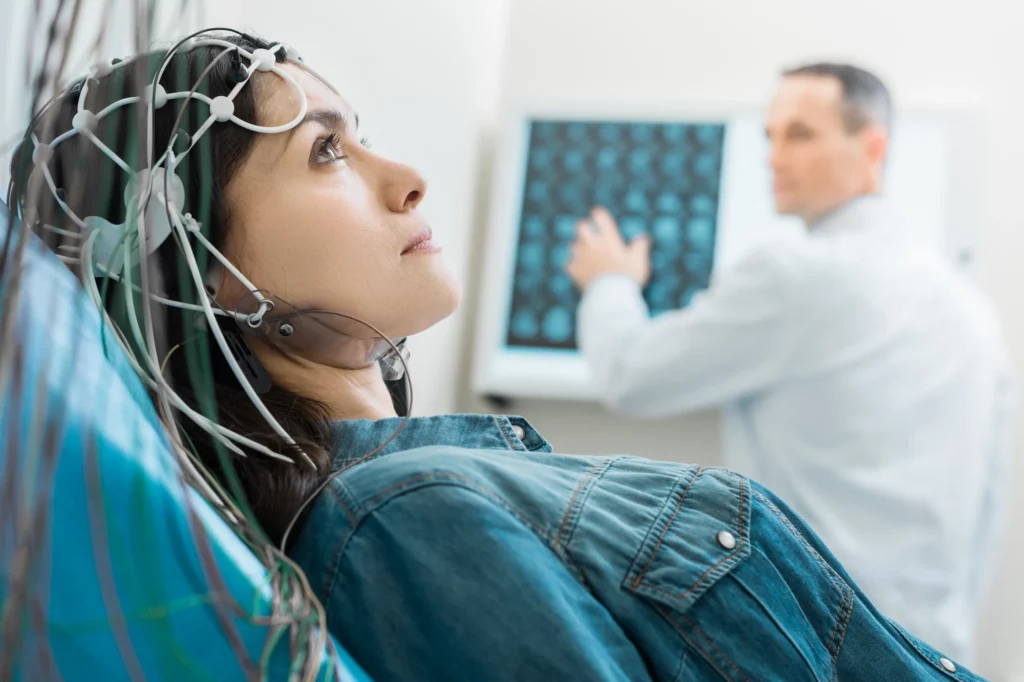
In summary, the sleep study cost Australia can vary significantly based on various factors, including the type of study, location, and insurance coverage. On average, individuals can expect to pay between AUD 500 and AUD 3,000 for a comprehensive sleep study. Understanding the costs involved and preparing adequately can lead to a more effective diagnosis and treatment of sleep disorders.
Types of Sleep Studies
There are primarily two types of sleep studies: in-lab studies and home sleep tests. In-lab studies are conducted in specialised sleep clinics, where patients spend the night connected to monitoring equipment. These studies provide comprehensive data but can be more expensive due to the facilities and staff involved. The clinical environment is designed to mimic a home setting as closely as possible, helping to reduce anxiety and encourage natural sleep patterns. Trained technicians monitor the patient’s sleep throughout the night, ensuring that any abnormalities are recorded accurately.
Home sleep tests, on the other hand, allow patients to conduct the study in the comfort of their own homes using portable monitoring devices. While these tests are generally less comprehensive, they are often more convenient and cost-effective. Patients are typically provided with a simple device that tracks their breathing and oxygen levels, making it easier for them to fall asleep without the stress of being in an unfamiliar environment. However, it is essential for patients to follow the instructions carefully to ensure the accuracy of the results.
Who Needs a Sleep Study?
Sleep studies are typically recommended for individuals experiencing symptoms such as excessive daytime sleepiness, loud snoring, or difficulty staying asleep. If these symptoms are affecting daily life, consulting a healthcare professional is crucial. They can assess whether a sleep study is necessary and guide patients through the process. Additionally, individuals with underlying health conditions, such as obesity or cardiovascular issues, may also be advised to undergo a sleep study, as these factors can significantly impact sleep quality. Understanding the importance of sleep in overall health is vital, as untreated sleep disorders can lead to serious complications, including increased risk of chronic diseases.
Read about sleep study at: What Is a Sleep Study Test and Do You Really Need One
Cost Breakdown of Sleep Studies
The cost of a sleep study in Australia can vary widely, influenced by the type of study, location, and whether the patient has private health insurance. On average, the costs can range from AUD 500 to AUD 3,000.
In-Lab Sleep Studies
In-lab sleep studies are typically more expensive due to the resources involved. On average, the cost for an overnight stay in a sleep clinic can range from AUD 1,000 to AUD 2,500. This price usually includes the consultation with a sleep specialist, the overnight study, and the analysis of results.
Factors that can influence the cost include the clinic’s location, the reputation of the facility, and whether additional tests are required. For instance, if a patient requires a multiple sleep latency test (MSLT) or a maintenance of wakefulness test (MWT), the costs can increase significantly. Additionally, some clinics may offer packages that include follow-up consultations and treatment recommendations, which can further impact the overall price. The quality of equipment used during the study can also play a role, as more advanced technology may lead to more accurate diagnoses but could also come with a higher price tag. Find more about equipment on https://medicine.yale.edu/news/yale-medicine-magazine/article/medical-devices-and-technology-across-the-years/
Home Sleep Tests
Home sleep tests are generally more affordable, with costs ranging from AUD 500 to AUD 1,000. These tests are less invasive and allow patients to sleep in their own environment, which can lead to more natural sleep patterns. However, it is essential to note that not all sleep disorders can be accurately diagnosed through home testing. For example, complex conditions such as central sleep apnoea may require more sophisticated monitoring that only an in-lab study can provide.
Insurance coverage can also affect the overall cost. Many private health insurance policies cover a portion of the expenses for sleep studies, particularly if they are deemed medically necessary. It is advisable to check with the insurance provider to understand the extent of coverage. Furthermore, some health funds may have preferred providers, which could influence the choice of clinic and the associated costs. Patients should also consider the potential for out-of-pocket expenses, especially if they opt for additional consultations or treatments following their sleep study.
Factors Influencing the Cost
Several factors can influence the overall cost of a sleep study in Australia. Understanding these can help individuals better prepare for their expenses.
Location
The geographical location of the sleep clinic can significantly impact costs. Major cities like Sydney and Melbourne often have higher prices due to increased demand and operational costs. In contrast, clinics in regional areas may offer more competitive pricing.
Type of Insurance
Private health insurance can play a crucial role in determining the out-of-pocket expenses for a sleep study. Policies vary widely, with some covering the entire cost while others may only cover a portion. It is essential for patients to review their insurance policy details and consult with their provider regarding coverage for sleep studies.
Additional Tests and Consultations
Patients may require additional consultations or tests before or after the sleep study, which can add to the overall cost. For instance, a follow-up appointment with a sleep specialist to discuss the results may incur additional fees. Furthermore, if a patient needs further testing, such as a CPAP titration study, these costs should also be considered.
Preparing for a Sleep Study
Preparation for a sleep study can affect both the experience and the cost. Being well-prepared can lead to more accurate results and potentially reduce the need for follow-up studies.
Consultation with a Sleep Specialist
Before undergoing a sleep study, it is crucial to have a thorough consultation with a sleep specialist. This appointment typically costs between AUD 150 and AUD 300, depending on the specialist’s experience and the complexity of the case. During this consultation, the specialist will discuss symptoms, medical history, and the appropriate type of sleep study required.
What to Expect During the Study
During an in-lab sleep study, patients will be monitored overnight in a comfortable room. They will be connected to various sensors that track their sleep patterns. It is essential to follow any pre-study instructions provided by the clinic, such as avoiding caffeine or certain medications. To learn more about caffeine click here.
For home sleep tests, patients will receive a portable device with instructions on how to use it. It is important to ensure that the device is set up correctly to obtain accurate results.
After the Sleep Study
Once the sleep study is complete, the data collected will be analysed by a sleep specialist. This analysis is crucial for diagnosing any sleep disorders and determining the best course of treatment.
Understanding the Results
Patients can expect to receive their results within a few days to a couple of weeks, depending on the clinic’s protocols. The results will typically include information on sleep stages, breathing patterns, and any abnormalities detected during the study.
Understanding these results is essential for effective treatment. The sleep specialist will explain the findings and recommend appropriate interventions, which may include lifestyle changes, CPAP therapy, or further testing.
Potential Follow-Up Costs
Follow-up appointments to discuss results and treatment options can incur additional costs. Patients should budget for these expenses, which may range from AUD 150 to AUD 300, depending on the specialist’s fees. If further treatments or tests are required, these costs should also be factored into the overall budget.
Conclusion
For those experiencing sleep-related issues, seeking professional help is crucial. A sleep study can provide valuable insights into sleep patterns and help develop a tailored treatment plan, ultimately leading to improved sleep quality and overall health.