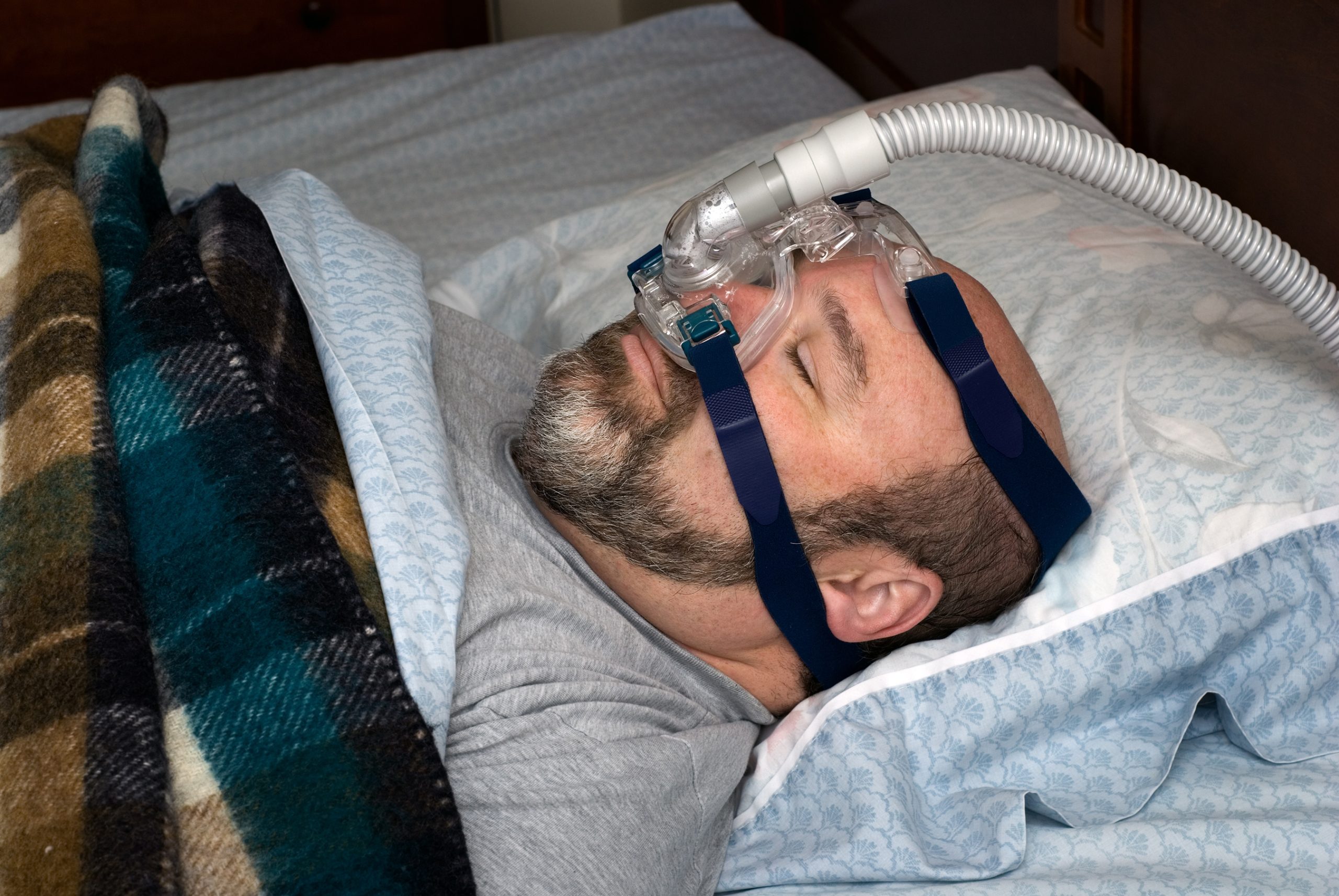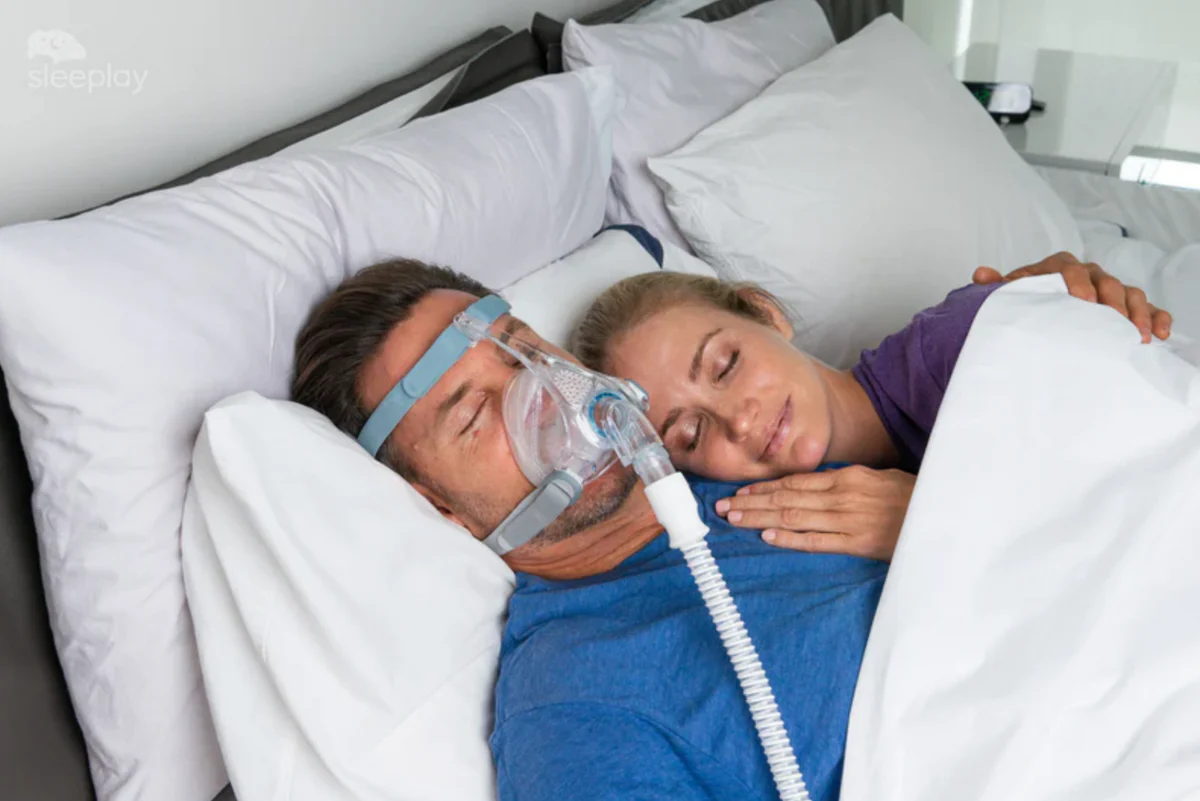
For individuals diagnosed with obstructive sleep apnoea (OSA), a continuous positive airway pressure (CPAP) machine can be a life-changing device. However, the effectiveness of this treatment largely depends on the comfort and fit of the CPAP mask. With a myriad of options available, selecting the right mask can be daunting. This article aims to guide individuals through the process of finding the best CPAP mask for a comfortable night’s sleep.
Understanding CPAP Masks
CPAP masks are designed to deliver a continuous flow of air to keep the airways open during sleep. They come in various styles, sizes, and materials, catering to different preferences and needs. Understanding the types of masks available is crucial for making an informed choice.
Finding the best CPAP mask for comfortable sleep is a crucial step in managing obstructive sleep apnoea effectively. By understanding the different types of masks, considering factors such as comfort, fit, and ease of maintenance, individuals can make informed decisions that enhance their therapy experience.
Types of CPAP Masks
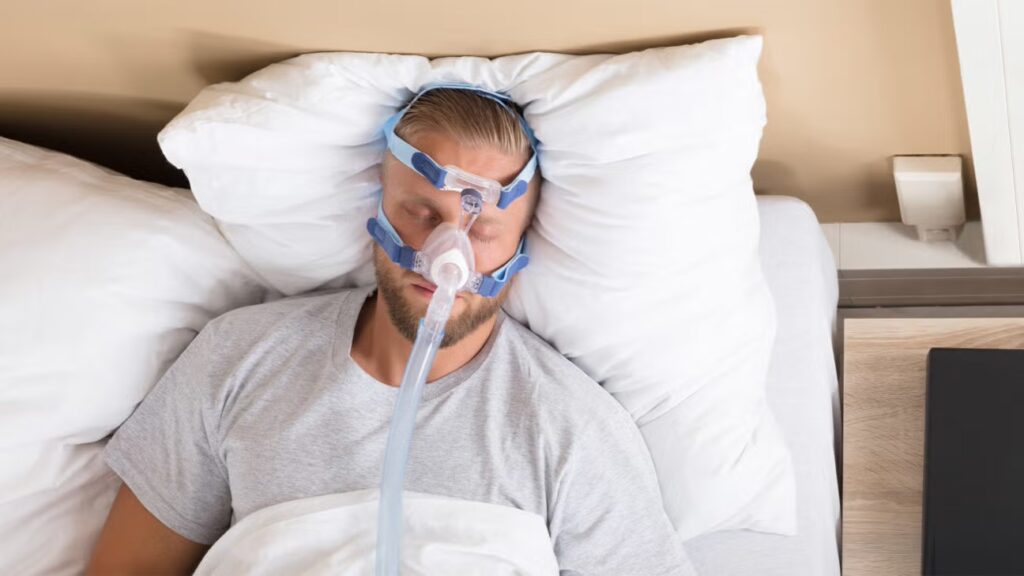
There are three primary types of CPAP masks: nasal masks, full-face masks, and nasal pillow masks. Each type has its unique features and benefits.
- Nasal Masks: These cover the nose and are suitable for those who primarily breathe through their nose during sleep. They are generally lightweight and offer a good balance between comfort and airflow.
- Full-Face Masks: These cover both the nose and mouth, making them ideal for mouth breathers or those who require higher pressure settings. They provide a secure seal but can feel bulkier than other options.
- Nasal Pillow Masks: These consist of small cushions that fit directly into the nostrils. They are minimalistic and provide a greater field of vision, making them a popular choice for those who feel claustrophobic.
Choosing the Right Size
Finding the correct size is essential for comfort and effectiveness. Most manufacturers provide sizing guides, often including templates to help users measure their facial dimensions accurately. A well-fitted mask prevents air leaks, which can disrupt sleep and diminish the therapy’s effectiveness.
It is advisable to try on different sizes and styles to determine which one feels the most comfortable. Many suppliers offer trial periods, allowing users to test the mask before committing to a purchase.
Moreover, it is worth noting that facial features can change over time due to weight fluctuations, ageing, or other health conditions. Therefore, regular reassessment of the mask fit is recommended to ensure ongoing comfort and efficacy. Additionally, some users may benefit from adjustable masks that allow for minor modifications to the fit, which can be particularly useful for those who experience discomfort during the night.
Furthermore, the choice of mask material can also play a significant role in user satisfaction. Many masks are made from silicone or gel, which can provide a softer touch against the skin, reducing irritation and enhancing comfort. Users with sensitive skin may want to explore hypoallergenic options or those with additional padding. Ultimately, the right mask not only facilitates effective therapy but also contributes to a more restful night’s sleep, significantly improving overall quality of life.
Find more on: CPAP Machine Australia: How to Get the Best Value for Money
Factors to Consider When Selecting a CPAP Mask
When choosing a CPAP mask, several factors should be taken into account to ensure optimal comfort and functionality. These factors can significantly impact the overall experience of using CPAP therapy.
Comfort and Fit
Comfort is paramount when selecting a CPAP mask. A mask that fits well should feel snug but not overly tight. Users often report discomfort from excessive pressure on the face or from materials that irritate the skin. Soft, hypoallergenic materials can enhance comfort and reduce the risk of skin irritation.
Adjustable straps and headgear can also play a vital role in achieving a comfortable fit. Many modern masks feature quick-release mechanisms, allowing users to easily remove the mask without adjusting the straps each time.
Noise Level
The noise level of a CPAP mask can affect sleep quality, not only for the user but also for their partner. Some masks are designed to operate quietly, minimising disturbances during the night. It is worth considering the noise level when selecting a mask, especially for those who are sensitive to sound.
Ease of Cleaning and Maintenance
Regular cleaning and maintenance of CPAP equipment are essential for hygiene and longevity. Masks should be easy to disassemble for cleaning, and materials should be durable enough to withstand regular washing. Look for masks that can be cleaned with mild soap and water, and ensure that the components dry quickly to avoid mould and bacteria growth. Read more about equipment on https://mpgimer.edu.in/instruments-and-equipments-general-surgery/
Popular CPAP Mask Brands
Several reputable brands are known for their high-quality CPAP masks. Each brand offers a range of models designed to meet varying needs and preferences. Here are a few notable brands that have garnered positive reviews from users.
ResMed
ResMed is a leading manufacturer in the CPAP market, known for its innovative designs and technology. Their masks, such as the AirFit series, are praised for their comfort and ease of use. ResMed masks often feature advanced materials that enhance fit and reduce leaks.
Philips Respironics
Philips Respironics offers a wide selection of CPAP masks, including the DreamWear and Amara series. These masks are designed with user comfort in mind, featuring soft materials and unique designs that accommodate various sleeping positions.
Fisher & Paykel
Fisher & Paykel is renowned for its focus on patient comfort and usability. Their masks, such as the Eson and Simplus series, are designed to provide an effective seal while ensuring minimal pressure on the face. Users often appreciate the lightweight design and ease of cleaning associated with these masks.
Trial and Adjustment Period
Finding the right CPAP mask is often a process of trial and error. It is not uncommon for users to go through several masks before discovering the one that best suits their needs. Health professionals often recommend a trial period, allowing individuals to test different masks and make adjustments as necessary.
Consulting with a Sleep Specialist
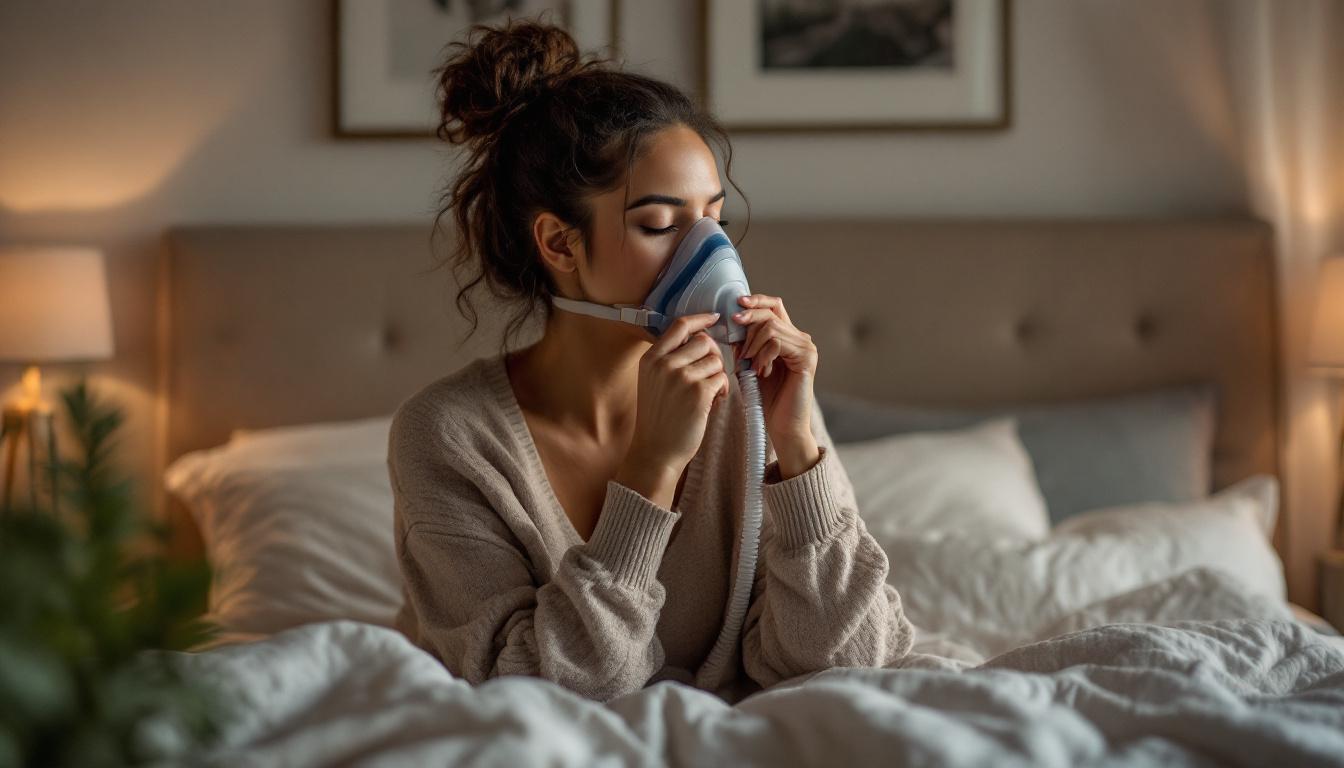
Consulting with a sleep specialist can provide valuable insights into the best options for individual circumstances. These professionals can offer recommendations based on specific needs, preferences, and any underlying health conditions that may affect mask choice.
Additionally, they can assist with adjustments to CPAP therapy settings, ensuring that the treatment is both effective and comfortable. Regular follow-ups can help monitor progress and address any concerns that may arise during the adjustment period.
Keeping a Sleep Diary
Maintaining a sleep diary can be beneficial during the trial phase. Recording experiences, including comfort levels, any leaks, and overall sleep quality, can help identify patterns and preferences. This information can be invaluable for discussions with healthcare providers.
Common Issues and Solutions
While CPAP masks are designed for comfort and efficacy, users may encounter common issues that can disrupt their therapy. Understanding these challenges and knowing how to address them can enhance the overall experience.
Air Leaks
Air leaks are a frequent concern for CPAP users. They can occur if the mask does not fit properly or if the headgear is not adjusted correctly. To minimise leaks, ensure that the mask is fitted snugly against the face, and adjust the straps as needed.
In some cases, switching to a different mask style or size may be necessary. Nasal pillow masks, for example, may be more suitable for those who experience frequent leaks with traditional nasal masks.
Skin Irritation
Skin irritation can arise from prolonged contact with the mask. To mitigate this issue, consider using a barrier cream or gel designed for CPAP users. Additionally, ensure that the mask is cleaned regularly to prevent the buildup of sweat and oils that can contribute to irritation. To find more about irritation click here.
Claustrophobia
Some users may experience feelings of claustrophobia when wearing a CPAP mask. If this is a concern, exploring smaller, less obtrusive mask options, such as nasal pillow masks, may be beneficial. Gradually acclimatising to the mask by wearing it for short periods during the day can also help ease anxiety.
Conclusion
With the right mask, users can enjoy a restful night’s sleep, improving their overall health and quality of life. Consulting with healthcare professionals and being open to trial and adjustment can further ensure that the selected mask meets individual needs and preferences.
Ultimately, investing time and effort into finding the right CPAP mask can lead to significant improvements in sleep quality and overall well-being.